
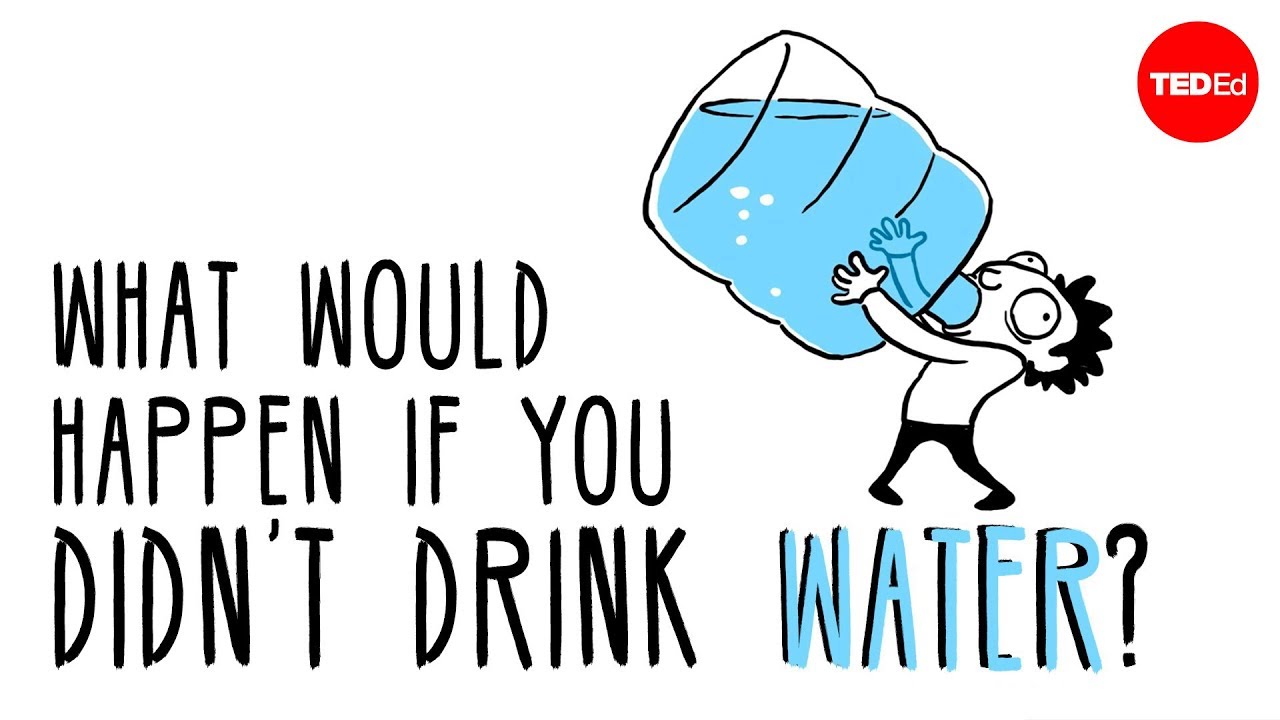
From the big questions (why is cancer so hard to cure?) to the everyday concerns (why does your breath smell so bad?), this series aims to answer all the questions and curiosities you may have about your body, and will help you understand the incredible machinery inside you.
Tap a card below to continue exploring more entertainment picks.
You Might Also Like
جهويات 2021
Révisions BAC 2024
CocoMelon | Little Baby Bum | Blippi - Nursery Rhymes & Kids TV Shows
Educational Videos for Children - Lingokids
SS 1 Biology
SS 3 Biology
SS 2 Biology
SSS10 Biology
You Are What You Eat
Grade 12 Financial Maths
Trigonometry grade 11
Sineskwela (Full Episodes)
GRADE 9 BIOLOGY: How do species get extinct?
Grade 12 Calculus
Grade 11 Functions
Grade 12 Euclidean Geometry
Year7 Biology
Biology (2012)
Operation Ouch Marathon! 🌡| Science and Biology Lessons With Dr Xand And Dr Chris
Entertainment
Grade 9 Biology: Circulatory System
GRADE 9 BIOLOGY: Plant Respiration in the Presence of Oxygen
Getting Under Our Skin
SSS12 Biology
Comments
10 Comments
Discover how scientists are using crowdsourced DNA to find the causes of untreatable diseases, and developing new drug treatments for them. -- When scientists don't know the cause of a medical condition, developing a drug treatment takes significant trial and error, and lots of money— which is why we only have drugs for a small proportion of diseases. Researchers are hoping to change this using crowdsourced DNA. So how does this work, and what do your genes have to do with it? Greg Foot digs into the science of therapeutic targets. Lesson by Greg Foot, directed by Pierangelo Pirak. Produced for TED-Ed by https://www.sciencemedia.studio and NIHR University College London Hospitals Biomedical Research Centre. Support Our Non-Profit Mission ---------------------------------------------- Support us on Patreon: http://bit.ly/TEDEdPatreon Check out our merch: http://bit.ly/TEDEDShop ---------------------------------------------- Connect With Us -----------------------------------------
Discover how scientists are using crowdsourced DNA to find the causes of untreatable diseases, and developing new drug treatments for them. -- When scientists don't know the cause of a medical condition, developing a drug treatment takes significant trial and error, and lots of money— which is why we only have drugs for a small proportion of diseases. Researchers are hoping to change this using crowdsourced DNA. So how does this work, and what do your genes have to do with it? Greg Foot digs into the science of therapeutic targets. Lesson by Greg Foot, directed by Pierangelo Pirak. Produced for TED-Ed by https://www.sciencemedia.studio and NIHR University College London Hospitals Biomedical Research Centre. Support Our Non-Profit Mission ---------------------------------------------- Support us on Patreon: http://bit.ly/TEDEdPatreon Check out our merch: http://bit.ly/TEDEDShop ---------------------------------------------- Connect With Us -----------------------------------------
Discover how scientists are using crowdsourced DNA to find the causes of untreatable diseases, and developing new drug treatments for them. -- When scientists don't know the cause of a medical condition, developing a drug treatment takes significant trial and error, and lots of money— which is why we only have drugs for a small proportion of diseases. Researchers are hoping to change this using crowdsourced DNA. So how does this work, and what do your genes have to do with it? Greg Foot digs into the science of therapeutic targets. Lesson by Greg Foot, directed by Pierangelo Pirak. Produced for TED-Ed by https://www.sciencemedia.studio and NIHR University College London Hospitals Biomedical Research Centre. Support Our Non-Profit Mission ---------------------------------------------- Support us on Patreon: http://bit.ly/TEDEdPatreon Check out our merch: http://bit.ly/TEDEDShop ---------------------------------------------- Connect With Us -----------------------------------------
Discover how scientists are analyzing compounds in the breath to create a versatile breathalyzer capable of detecting disease. -- How is it that a breathalyzer can measure the alcohol content in someone’s blood, hours after they had their last drink, based on their breath alone? And could we use this same technology to detect disease by analyzing a person’s breath, without having to use more invasive diagnostic tools like biopsies, blood draws, and radiation? Julian Burschka details the complicated process. Lesson by Julian Burschka, directed by Cabong Studios. Animator's website: https://www.cabongstudios.com.br Sign up for our newsletter: http://bit.ly/TEDEdNewsletter Support us on Patreon: http://bit.ly/TEDEdPatreon Follow us on Facebook: http://bit.ly/TEDEdFacebook Find us on Twitter: http://bit.ly/TEDEdTwitter Peep us on Instagram: http://bit.ly/TEDEdInstagram View full lesson: https://ed.ted.com/lessons/could-a-breathalyzer-detect-cancer-julian-burschka Thank you so much to
Discover how scientists are analyzing compounds in the breath to create a versatile breathalyzer capable of detecting disease. -- How is it that a breathalyzer can measure the alcohol content in someone’s blood, hours after they had their last drink, based on their breath alone? And could we use this same technology to detect disease by analyzing a person’s breath, without having to use more invasive diagnostic tools like biopsies, blood draws, and radiation? Julian Burschka details the complicated process. Lesson by Julian Burschka, directed by Cabong Studios. Animator's website: https://www.cabongstudios.com.br Sign up for our newsletter: http://bit.ly/TEDEdNewsletter Support us on Patreon: http://bit.ly/TEDEdPatreon Follow us on Facebook: http://bit.ly/TEDEdFacebook Find us on Twitter: http://bit.ly/TEDEdTwitter Peep us on Instagram: http://bit.ly/TEDEdInstagram View full lesson: https://ed.ted.com/lessons/could-a-breathalyzer-detect-cancer-julian-burschka Thank you so much to
Discover how scientists are analyzing compounds in the breath to create a versatile breathalyzer capable of detecting disease. -- How is it that a breathalyzer can measure the alcohol content in someone’s blood, hours after they had their last drink, based on their breath alone? And could we use this same technology to detect disease by analyzing a person’s breath, without having to use more invasive diagnostic tools like biopsies, blood draws, and radiation? Julian Burschka details the complicated process. Lesson by Julian Burschka, directed by Cabong Studios. Animator's website: https://www.cabongstudios.com.br Sign up for our newsletter: http://bit.ly/TEDEdNewsletter Support us on Patreon: http://bit.ly/TEDEdPatreon Follow us on Facebook: http://bit.ly/TEDEdFacebook Find us on Twitter: http://bit.ly/TEDEdTwitter Peep us on Instagram: http://bit.ly/TEDEdInstagram View full lesson: https://ed.ted.com/lessons/could-a-breathalyzer-detect-cancer-julian-burschka Thank you so much to
Discover how scientists are analyzing compounds in the breath to create a versatile breathalyzer capable of detecting disease. -- How is it that a breathalyzer can measure the alcohol content in someone’s blood, hours after they had their last drink, based on their breath alone? And could we use this same technology to detect disease by analyzing a person’s breath, without having to use more invasive diagnostic tools like biopsies, blood draws, and radiation? Julian Burschka details the complicated process. Lesson by Julian Burschka, directed by Cabong Studios. Animator's website: https://www.cabongstudios.com.br Sign up for our newsletter: http://bit.ly/TEDEdNewsletter Support us on Patreon: http://bit.ly/TEDEdPatreon Follow us on Facebook: http://bit.ly/TEDEdFacebook Find us on Twitter: http://bit.ly/TEDEdTwitter Peep us on Instagram: http://bit.ly/TEDEdInstagram View full lesson: https://ed.ted.com/lessons/could-a-breathalyzer-detect-cancer-julian-burschka Thank you so much to
Dig into how African clawed frogs can help detect human pregnancy, and how their use in experiments had unintended consequences. -- In the early 20th century, pregnancy testing required a slippery piece of equipment: a female African clawed frog. For decades, hospitals and research labs had a trusted supply of these handy creatures, employing their help in testing for pregnancy and in numerous other scientific endeavors. So what makes these frogs so special? Carly Anne York shares the secrets of these remarkable amphibians. Lesson by Carly Anne York, directed by Yajun Shi. Support Our Non-Profit Mission ---------------------------------------------- Support us on Patreon: http://bit.ly/TEDEdPatreon Check out our merch: http://bit.ly/TEDEDShop ---------------------------------------------- Connect With Us ---------------------------------------------- Sign up for our newsletter: http://bit.ly/TEDEdNewsletter Follow us on Facebook: http://bit.ly/TEDEdFacebook Find us on Twitter: htt
Dig into how African clawed frogs can help detect human pregnancy, and how their use in experiments had unintended consequences. -- In the early 20th century, pregnancy testing required a slippery piece of equipment: a female African clawed frog. For decades, hospitals and research labs had a trusted supply of these handy creatures, employing their help in testing for pregnancy and in numerous other scientific endeavors. So what makes these frogs so special? Carly Anne York shares the secrets of these remarkable amphibians. Lesson by Carly Anne York, directed by Yajun Shi. Support Our Non-Profit Mission ---------------------------------------------- Support us on Patreon: http://bit.ly/TEDEdPatreon Check out our merch: http://bit.ly/TEDEDShop ---------------------------------------------- Connect With Us ---------------------------------------------- Sign up for our newsletter: http://bit.ly/TEDEdNewsletter Follow us on Facebook: http://bit.ly/TEDEdFacebook Find us on Twitter: htt